In his late teens a relative was arrested for technical supply of cannabis and has a criminal record that will blight his life. I could also be guilty of the offence of technical supply although I have never been arrested or convicted. When I was 18, I bought some cannabis from a friend I worked with, took it to my university Halls and enjoyed it with my friends. I was protected from the law because I lived in the middle-class environment of the university whilst he was exposed to arrest and all the consequences of it because he lived in a loyalist estate.
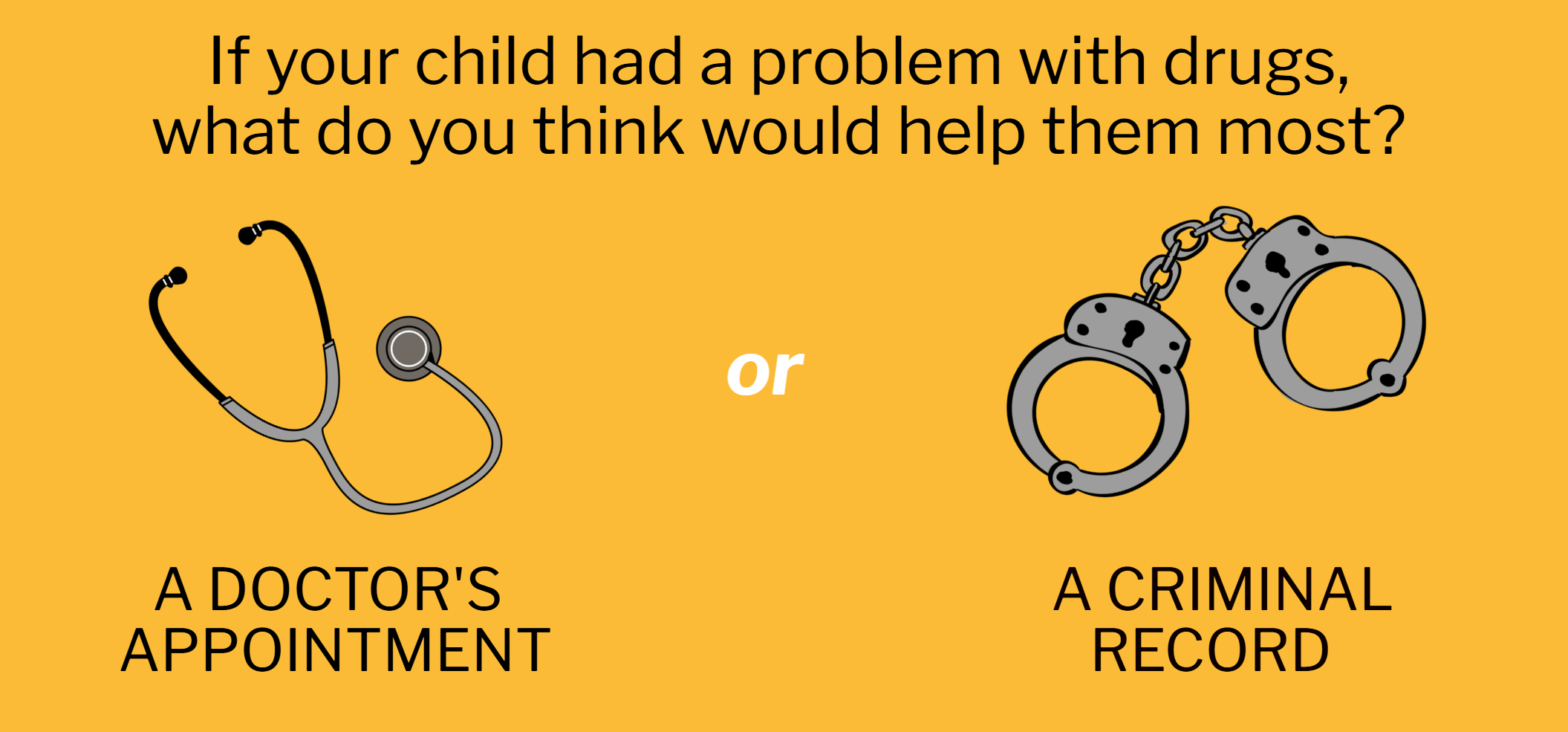
Neither I nor any of the friends I shared that small, one-off, piece of cannabis with developed an addiction to it or any other illegal substance. Several of us did, however, struggle with alcohol. For me, this struggle was so severe that I needed help. I was met with understanding and support which enabled me to access the university mental health services. I was able to do all this because I was not afraid that reaching out for help would result in entanglement with the law.
[Image from anyoneschild.org]
I have been thinking over these two experiences lately because of the blight substance misuse continues to have on our community many years later. Revisiting these experiences and the ongoing substance misuse crisis from a Loyalist Feminist perspective has convinced me that the way to reduce the harm to our community is by decriminalising illegal substances.
I know and understand that some of you reading this will think the harm drugs inflict on our community is so severe that only a punitive approach is appropriate. However, I think there is no evidence that this approach is helping the Loyalist community. Below I lay out the case for decriminalising illegal substances using the Principles of Loyalism (Material Wellbeing, Civil and Religious Freedom, and Equal Citizenship within the UK) as my guiding framework. You can find out more about the Principles of Loyalism here.
Material Wellbeing
The current focus on a punitive approach to drug possession and use has placed an unsustainable financial burden on Northern Ireland. Substance misuse is estimated to cost NI £1.5 billion every year, and every day over 200 hospital beds are occupied by patients with substance misuse problems. Each £1 spent on drug treatment will save £4 from reduced demands on health, prison and police services. Despite this the government strategy to address the issue, A Strategic Framework to Tackle the Harm from Substance Use (2021-31), is only allocated £16 million a year from the Department of Health’s squeezed budget. The report’s authors make it clear this is not enough to fund the strategy, but it is not clarified where the additional funding will come from. Launching strategies without adequate funding attached to them amounts to little more than publishing a wish list.
Decriminalising drugs would allow additional resources to be allocated towards evidence-informed treatment, harm reduction, and other health services. We can look to other jurisdictions for existing best practice such as Portugal which decriminalised possession of all drugs in 2001 and significantly expanded access to evidence-informed treatment, harm reduction and other health services. Adopting a similar approach in Northern Ireland would alleviate the financial strain on the healthcare system and contribute to the material wellbeing of the community.
Civil and Religious Freedom
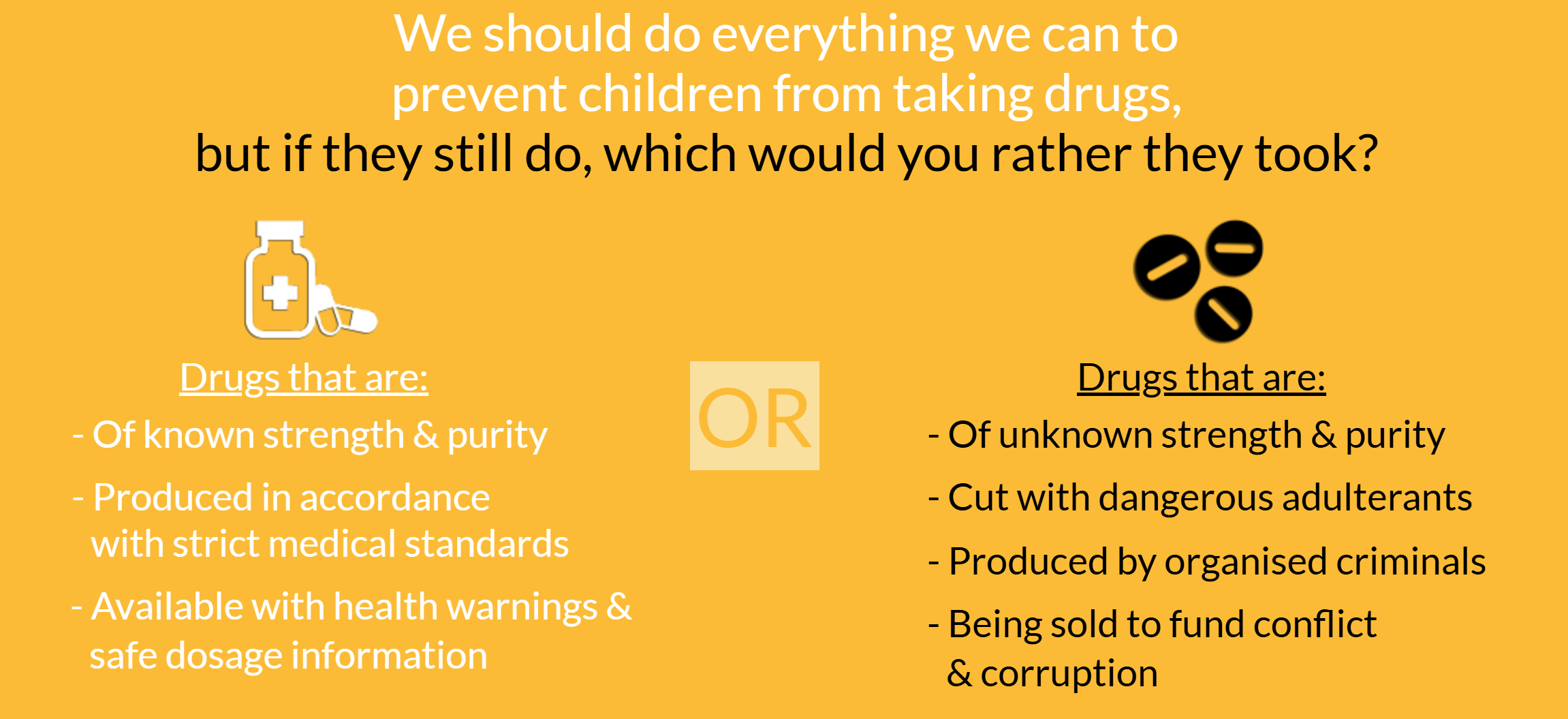
Drug related deaths in Northern Ireland have risen by 40% between 2012 and 2022. There is strong evidence that decriminalising drugs reduces drug related deaths. Portugal, which decriminalised drugs in 2001, has a population of over 10 million people and lost 74 people to drug related deaths in 2021, In Northern Ireland 213 people died from drugs in 2021. An essential weapon in our arsenal for preventing overdose and reducing harm is making sure people who use drugs have access to a safe supply, and a safe place to take them. To ensure the agency and dignity of people who use drugs, harm reduction measures, such as safe supply and consumption initiatives, must be co-designed with people who use drugs. Adopting an approach to drugs more akin to consumer protection than criminal justice places the onus on the government to protect people who use drugs. This respects the civil freedoms of individuals, acknowledging their right to make informed choices about their own bodies and health, and protects communities.
[Image from anyoneschild.org]
Moving drugs from the criminal justice system to a regulated market with a consumer protection approach is also essential to protect the civil freedom of people with insecure migration status. At least one-fifth of human trafficking and slavery cases in the UK happen within the illegal drug trade. We need to reform drug policies to reduce the trafficking and exploitation of vulnerable people.
Equal Citizenship
The criminal justice approach to drugs is classist and disproportionately impacts those living in deprived areas. People in the most deprived areas of NI are four times more likely to die from a drug-related death than those in the least deprived areas and more likely to be imprisoned. The NI average daily prison population includes 187 people in prison for drugs, 94 for theft, 141 for burglaries, and 118 for robbery. A report by the UK government’s Drug Strategy Unit estimated that drug use was responsible for the great majority of crime, including 85% of shoplifting, 70 – 80 per cent of burglaries and 54% of robberies. Decriminalising drugs and controlling the supply could result in the reduction of our daily prison population to 14 for theft, 42 for burglary, and 54 for robberies.
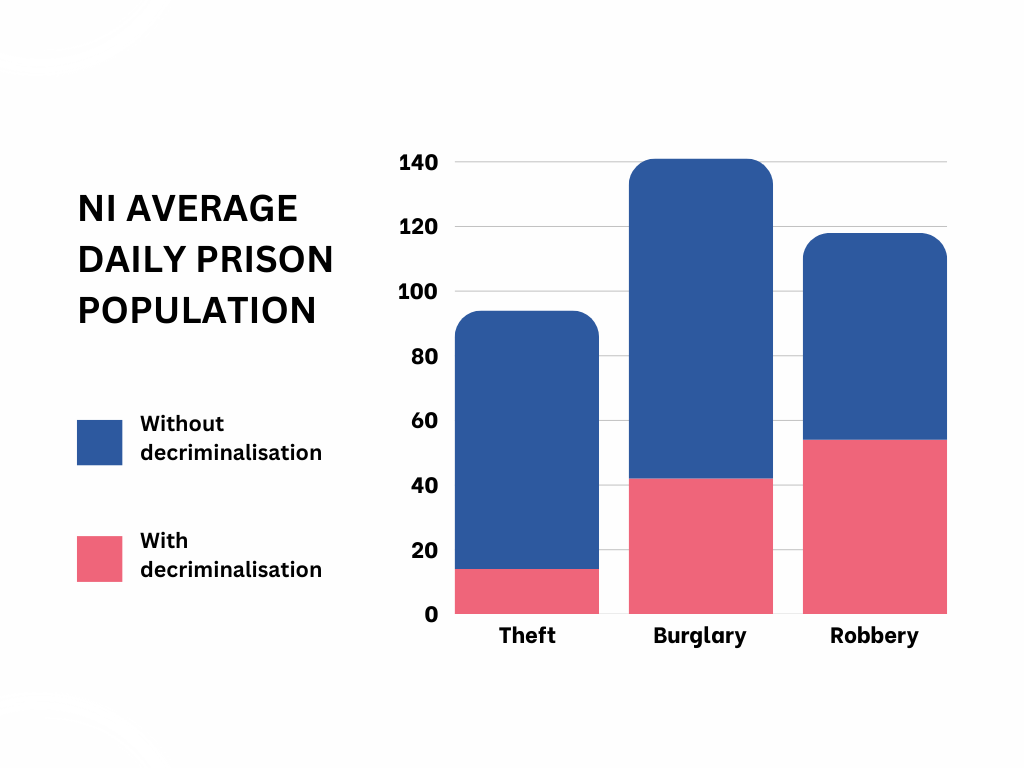
[Graph to show the potential Impact of Drug Decriminalisation on NI Daily Prison Population]
Decriminalising drugs and investing in mental health services would promote equal citizenship by ensuring that all individuals, regardless of their social class, have access to unadulterated, regulated substances and appropriate support services instead of death or prison. This approach would help to dismantle the classist systemic inequalities that perpetuate the cycle of substance misuse and criminalisation.
Conclusion
A punitive approach to drugs is a natural urge given the degree of harm caused to our community. However, criminalisation is classist, costly, and there is strong evidence that decriminalisation saves lives and reduces crime. By shifting from a punitive approach to one focused on harm reduction and support, we can reduce the harm inflicted on our community and promote a healthier society that is safer for all of us.
Find out how you can campaign for safer drug laws here.